
Maîtriser la Mémorisation Rapide : Stratégies Incontournables pour le Concours Médecine Maroc 2026
Le chemin vers les carrières d'élite en médecine, pharmacie ou médecine dentaire au Maroc est réputé pour son exigence, et le Concours d'Accès aux Facultés de Médecine et de Pharmacie (FMP, FMD) en est la première étape, souvent la plus redoutable. Chaque année, des dizaines de milliers de bacheliers marocains se lancent dans cette compétition acharnée, où la quantité d'informations à assimiler, à comprendre et, surtout, à restituer avec une précision chirurgicale, est colossale. Pour le concours FMP et le concours FMD de 2026, comme pour les éditions précédentes, la sélectivité sera maximale, faisant de chaque point une victoire et de chaque erreur une leçon coûteuse. Dans ce contexte ultra-compétitif, votre capacité à maîtriser des techniques de mémorisation rapide et efficace ne sera pas qu'un simple avantage, mais un atout stratégique décisif, allant bien au-delà de la simple compréhension conceptuelle. Il s'agit de transformer la masse d'informations en connaissances solides, prêtes à être mobilisées instantanément sous la pression de l'examen.
Le programme du baccalauréat marocain, notamment en SVT, Physique et Chimie, constitue la base fondamentale de ce concours. Cependant, le niveau d'exigence de l'examen, son format QCM pointu, et la pression du temps demandent une approche de mémorisation radicalement différente et hautement stratégique. Il ne s'agit plus seulement de "connaître" les informations, mais de "savoir restituer instantanément, avec une précision infaillible et sans hésitation" chaque détail pertinent, qu'il s'agisse d'un concept biologique complexe, d'une formule chimique subtile, d'une loi physique fondamentale ou d'une étape clé d'un processus. Une maîtrise superficielle ne suffira pas ; seule une mémorisation profonde et structurée, ancrée dans des stratégies cognitives efficaces, vous permettra de vous démarquer parmi l'élite des candidats.
Cet article se veut être votre guide complet et détaillé pour transformer votre approche de la mémorisation. Nous allons explorer ensemble des techniques mnémotechniques éprouvées, des outils d'apprentissage intelligents et des stratégies d'intégration holistiques qui vous aideront non seulement à retenir l'immense volume d'informations requis pour le Concours Médecine Maroc 2026, mais aussi à consolider ces connaissances pour une restitution fluide, rapide et confiante le jour J. De l'optimisation de votre environnement d'étude à l'intégration de principes scientifiques de la mémoire, en passant par la synergie avec des plateformes d'apprentissage modernes, chaque aspect sera abordé pour vous donner l'avantage compétitif. Préparez-vous à débloquer votre plein potentiel mémoriel et à aborder la préparation du Concours Médecine Maroc 2026 avec une confiance renouvelée et des méthodes optimisées, propulsant votre performance vers l'excellence et ouvrant les portes de votre future carrière médicale.
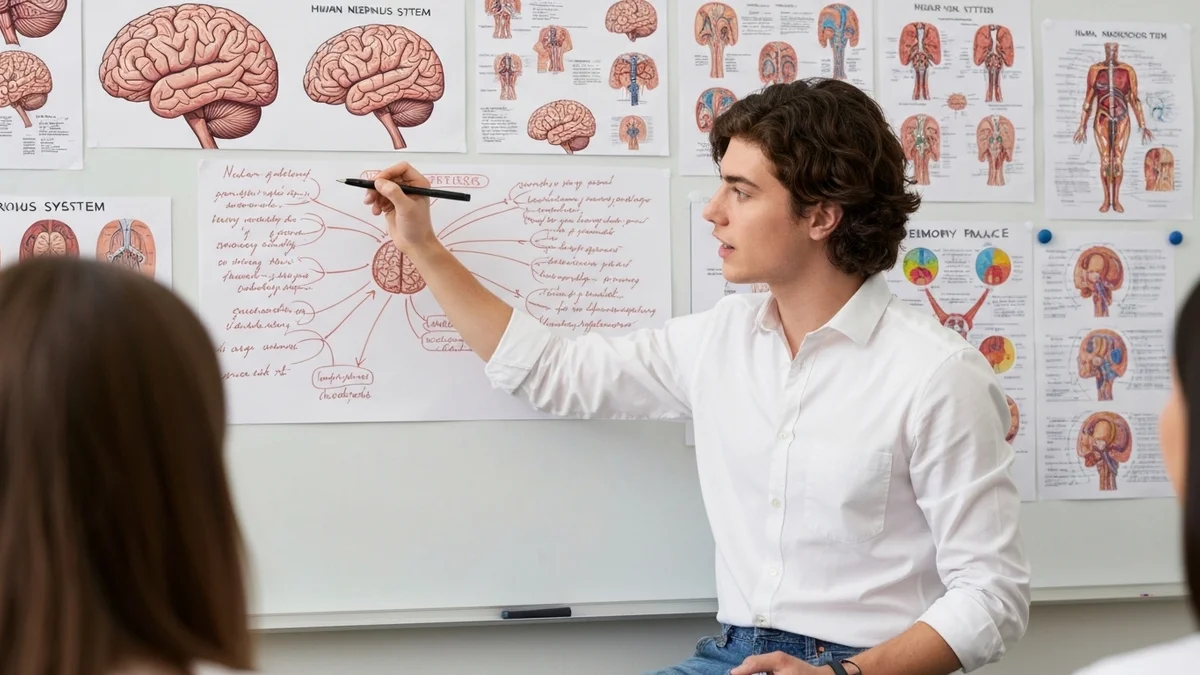
L'Impératif de la Mémorisation Rapide et Stratégique pour le Concours Médecine Maroc 2026
La Mémorisation n'est Pas Une Option, C'est Votre Clé de Voûte !
Pour le Concours Médecine Maroc 2026, une mémorisation rapide et d'une précision chirurgicale est la compétence la plus déterminante pour transformer le volume colossal de connaissances en un avantage compétitif décisif. Ne la négligez pas, car elle forge le chemin vers votre réussite académique et professionnelle et vous permet d'atteindre votre objectif d'intégrer les facultés de médecine.
Le Concours d'Accès aux Facultés de Médecine, de Pharmacie et de Médecine Dentaire au Maroc est synonyme de sélectivité extrême. Ce n'est un secret pour personne : les places sont extrêmement limitées et le niveau des candidats, provenant des filières scientifiques les plus exigeantes, est exceptionnellement élevé. Dans ce contexte ultra-compétitif, la mémorisation rapide, fiable et efficace n'est pas une simple compétence facultative ; c'est une pierre angulaire, une compétence fondamentale qui peut véritablement sceller votre réussite ou malheureusement, votre échec. Comprendre pourquoi cette compétence est si vitale est la première étape pour la maîtriser.
Le Volume d'Information : Un Océan de Connaissances à Maîtriser
Dès le lycée, avec les programmes exigeants du baccalauréat marocain, particulièrement en SVT, Physique et Chimie, vous êtes habitués à gérer une quantité significative de données. Cependant, le programme du concours va bien au-delà. Il intègre non seulement une révision approfondie des notions du secondaire, mais aussi des concepts plus complexes et détaillés de biologie cellulaire et moléculaire, de génétique, de biochimie, de chimie organique et inorganique, et de physique appliquée. Les détails anatomiques des systèmes (circulatoire, nerveux, digestif), les cycles biochimiques complexes (cycle de Krebs, glycolyse), les lois physiques (thermodynamique, optique), les formules chimiques (réactions acido-basiques, cinétique), les classifications biologiques des êtres vivants… tout doit être intégré, compris en profondeur, et surtout, retenu avec une précision sans faille. Il s'agit d'une somme de connaissances équivalente à plusieurs manuels universitaires de première année, exigeant une gestion méticuleuse et une capacité de rétention exceptionnelle.
Imaginer devoir maîtriser l'ensemble de ces connaissances pour le Concours Médecine Maroc 2026 peut sembler intimidant. Chaque matière représente un chapitre entier de données, et l'oubli d'un détail minime mais crucial peut coûter de précieux points qui font la différence entre l'admission et le rejet. La surcharge cognitive est un risque réel sans des stratégies de mémorisation adéquates. Il est donc impératif d'adopter des techniques qui transforment cette masse d'informations en un réseau cohérent et accessible, plutôt qu'une série de faits isolés et facilement oubliables. La simple lecture passive ou la recopie de notes ne suffira pas. Il faut des méthodes qui ancrent réellement les savoirs dans la mémoire à long terme, prêts à être rappelés avec rapidité et précision.
Le Format QCM : Exigence de Précision Chirurgicale et Rapidité de Restitution
Le Concours Médecine Maroc s'appuie majoritairement sur des Questions à Choix Multiples (QCM). Ce format, par nature, exige une précision quasi chirurgicale et une rapidité de décision fulgurante. Il ne suffit absolument pas d'avoir une vague idée de la réponse ; il faut être capable d'identifier la bonne option parmi des distracteurs souvent très proches et subtilement formulés. Cela implique une série de compétences cognitives affûtées, où chaque erreur coûte cher, et chaque bonne réponse valide votre effort :
- Rappel Instantané : Le temps est le facteur le plus critique. Vous n'avez pas le luxe de réfléchir longuement ou de déduire la réponse. La bonne option doit venir spontanément et avec assurance. Une mémorisation superficielle mène à l'hésitation, et l'hésitation à la perte de temps précieux, voire à une erreur.
- Distinction des Détails : Les QCM sont souvent conçus pour tester votre compréhension des nuances et des détails. Une formule chimique peut varier d'un seul atome, un processus biologique d'une seule étape. Une mémorisation imprécise vous rendra vulnérable à ces pièges subtils.
- Gestion du Stress : Sous la pression de l'examen, la capacité à rappeler rapidement et précisément des informations mémorisées réduit considérablement le stress et l'anxiété. Cela vous permet de rester concentré et d'optimiser vos performances.
- Optimisation du Temps : Chaque seconde compte. Une mémorisation solide vous permet de répondre rapidement aux questions maîtrisées, libérant ainsi du temps pour les problèmes plus complexes ou pour une relecture minutieuse.
En somme, la mémorisation rapide et stratégique n'est pas seulement une technique d'étude ; c'est une composante intégrale de la stratégie de réussite pour le Concours Médecine Maroc 2026. Elle transforme l'information brute en une arme puissante, prête à être déployée avec efficacité et précision le jour de l'examen. Ignorer son importance, c'est se priver d'un avantage fondamental et risquer de se noyer dans la masse d'informations ou de succomber à la pression du temps et de la précision requise.
Les Piliers Scientifiques de la Mémorisation Efficace
Répétition Espacée
Cette méthode, basée sur la courbe de l'oubli d'Hermann Ebbinghaus, préconise de revoir les informations à des intervalles de temps croissants. Au lieu de bachoter, vous consolidez les souvenirs en les rappelant juste avant qu'ils ne s'estompent de votre mémoire. Des outils numériques et des fiches de révision peuvent automatiser ce processus, optimisant ainsi votre temps d'étude et la rétention à long terme des concepts clés en SVT, Physique et Chimie.
Apprentissage Actif
La simple lecture passive est insuffisante. L'apprentissage actif implique de s'engager avec le matériel : poser des questions, faire des résumés, enseigner à quelqu'un d'autre, ou résoudre activement des problèmes et des QCMs. Cette approche force votre cerveau à traiter l'information en profondeur, à établir des connexions et à la récupérer de manière active, renforçant ainsi la mémoire et la compréhension.
Mnémotechniques et Association
Le cerveau humain est excellent pour se souvenir d'images, d'histoires et de connexions insolites. Les mnémotechniques, comme les acronymes, les rimes, la méthode des loci (palais mental), ou la création d'images mentales vives, transforment des informations abstraites en quelque chose de plus concret et facile à retenir. Par exemple, pour les éléments chimiques, une petite histoire ou une image pour chaque famille peut être très efficace.
Sommeil et Nutrition
La mémorisation n'est pas qu'une question de travail intensif, mais aussi de récupération. Le sommeil est crucial pour la consolidation de la mémoire. Pendant que vous dormez, votre cerveau trie et renforce les informations apprises pendant la journée. Une alimentation équilibrée, riche en oméga-3, antioxydants et vitamines, soutient également la fonction cérébrale et cognitive. Ne sous-estimez jamais l'impact de ces facteurs sur vos performances académiques, surtout en période de préparation intense pour un concours exigeant comme celui de médecine.
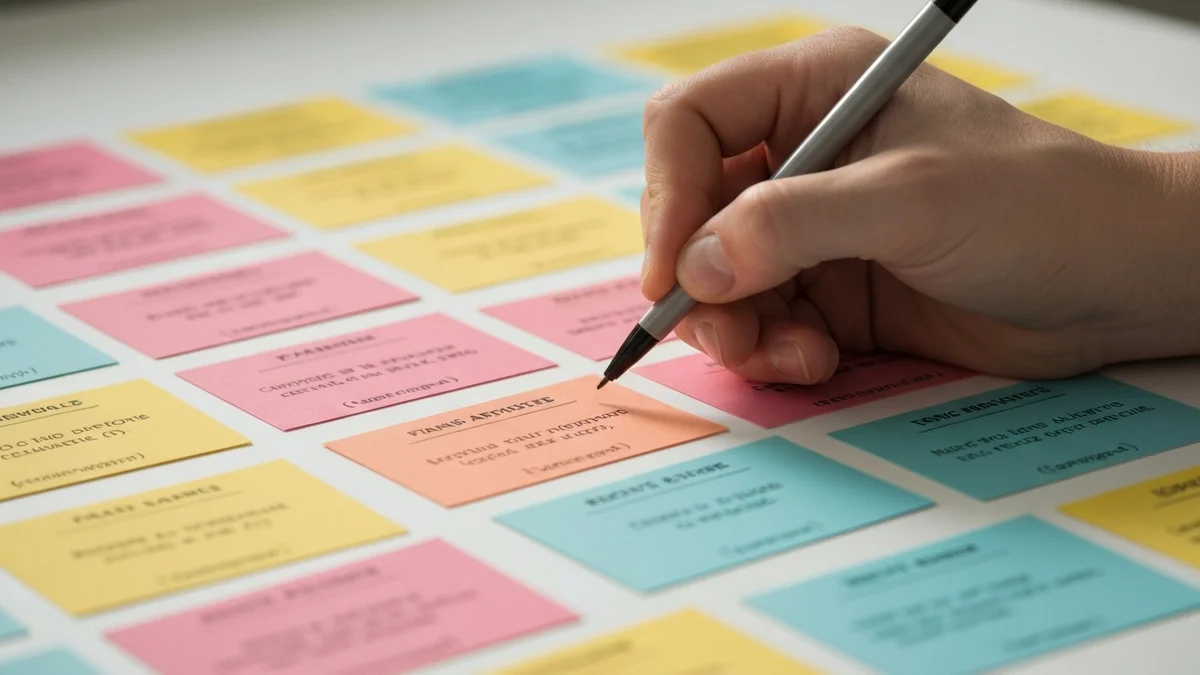
L'Impact Quantifiable d'une Bonne Stratégie de Mémorisation
Au-delà des anecdotes, des études en neurosciences et en psychologie cognitive démontrent l'impact mesurable de stratégies de mémorisation efficaces sur la performance académique. Pour le Concours Médecine Maroc 2026, ces chiffres ne sont pas de simples statistiques, mais des indicateurs cruciaux de votre potentiel de réussite.
Des recherches ont montré que la révision active et espacée peut augmenter de 20% ou plus la quantité d'informations retenues sur des périodes prolongées, comparativement au bachotage traditionnel. Pour les sujets à haute densité d'information comme la biologie cellulaire ou la chimie organique, cette amélioration est un avantage compétitif majeur.
Une mémorisation structurée et des techniques de rappel régulier permettent de récupérer l'information plus rapidement. Dans un examen QCM où chaque seconde compte, une réduction de 30% du temps nécessaire pour répondre à chaque question peut faire la différence entre compléter l'épreuve à temps ou manquer des points faciles.
Savoir que l'on maîtrise son sujet et que l'on peut rappeler les informations avec confiance est un puissant antidote à l'anxiété. Cette sérénité permet de mieux gérer la pression, de se concentrer pleinement et de minimiser les erreurs d'inattention qui sont fréquentes sous stress intense.
Outils et Méthodes Modernes pour une Mémorisation Optimale
L'ère numérique offre des outils puissants pour compléter les méthodes traditionnelles de mémorisation. En combinant les techniques classiques avec des innovations technologiques, vous pouvez créer un environnement d'apprentissage dynamique et hautement efficace pour le Concours Médecine Maroc 2026. L'intégration de ces outils transforme l'étude en une expérience plus interactive et personnalisée.
QCMs Adaptatifs par Matière : Ces systèmes intelligents ajustent la difficulté des questions en fonction de vos réponses, ciblant précisément vos lacunes. Cela garantit un entraînement optimal, simulant les conditions réelles de l'examen et renforçant la mémorisation des points faibles en SVT, Physique, Chimie et Mathématiques. Le format QCM étant central au concours, cette pratique est indispensable pour la précision du rappel.
Tuteur IA Personnalisé : Un tuteur basé sur l'intelligence artificielle peut analyser vos performances, identifier vos points faibles et suggérer des révisions ciblées ou des contenus spécifiques. Il fournit des explications supplémentaires, des exemples concrets et des rappels de concepts, agissant comme un mentor virtuel qui s'adapte à votre rythme et à votre style d'apprentissage, optimisant ainsi la consolidation de la mémoire.
Classement National en Temps Réel : La gamification est un puissant levier de motivation. Voir votre progression et vous situer par rapport aux autres candidats marocains via un classement en temps réel peut vous pousser à vous surpasser. Cette saine compétition peut renforcer l'engagement et l'assiduité, indirectement mais sûrement, la persévérance dans la mémorisation et la révision continue.
Compatibilité Multi-Supports (iOS/Android) : La flexibilité est essentielle. Pouvoir étudier n'importe où, n'importe quand, depuis votre smartphone ou votre tablette, rend la révision plus accessible et intégrable dans votre quotidien. Les temps morts (transports, pauses) peuvent être mis à profit pour des rappels rapides, des flashcards ou des mini-QCM, renforçant la répétition espacée sans effort additionnel majeur.
Flashcards Numériques et Systèmes SRS : Les applications de flashcards basées sur des systèmes de répétition espacée (SRS, comme Anki) sont des incontournables. Elles automatisent les intervalles de révision, vous présentant les cartes juste au bon moment pour optimiser la mémorisation. Idéales pour les définitions, formules et faits spécifiques, elles transforment l'apprentissage par cœur en un processus intelligent et efficace.
Groupes d'Étude Virtuels et Forums : Échanger avec d'autres étudiants, expliquer des concepts ou poser des questions sur des forums peut considérablement consolider votre mémoire. En verbalisant ce que vous avez appris, vous engagez une forme d'apprentissage actif qui renforce les connexions neuronales. C'est également un excellent moyen de démystifier des notions complexes et de diversifier les perspectives.
Votre Guide Pratique en 5 Étapes pour une Mémorisation Puissante
Mettre en place une stratégie de mémorisation efficace ne se fait pas du jour au lendemain. C'est un processus progressif qui nécessite discipline et adaptation. Ce guide pas à pas vous aidera à intégrer les meilleures pratiques pour le Concours Médecine Maroc 2026, en transformant votre approche de l'étude et en maximisant votre potentiel de rétention.
Comprendre Avant de Mémoriser
La première étape et la plus cruciale est de s'assurer que vous avez bien compris un concept avant de tenter de le mémoriser. Une compréhension profonde crée un cadre solide pour l'information, la rendant plus facile à retenir et à relier à d'autres connaissances. N'hésitez pas à poser des questions, à rechercher des explications alternatives, ou à simplifier le concept avec vos propres mots. La mémorisation sans compréhension est fragile et éphémère.
Structurez et Organisez l'Information
Le cerveau adore l'ordre. Organisez vos notes sous forme de schémas, de cartes mentales, de tableaux comparatifs ou de résumés structurés. Classez les informations par catégories, thèmes ou niveaux de complexité. Visualiser la structure d'un chapitre avant de s'y plonger aide à créer des "points d'ancrage" mentaux qui facilitent le rappel et la navigation dans votre mémoire. Utilisez des codes couleurs et des symboles pour renforcer cette organisation.
Appliquez la Répétition Espacée Active
Ne vous contentez pas de relire. Utilisez des flashcards (physiques ou numériques) et révisez les concepts à des intervalles croissants. Par exemple, revoyez une notion 1 jour après l'avoir apprise, puis 3 jours après, puis une semaine, deux semaines, un mois. Chaque révision doit être active : testez-vous, essayez de rappeler l'information avant de vérifier la réponse. C'est la récupération active qui ancre la mémoire à long terme.
Utilisez des Mnémotechniques Personnalisées
Créez vos propres mnémotechniques. Qu'il s'agisse d'acronymes, de phrases-clés, de rimes, ou de "palais mentaux" (méthode des loci), les techniques mnémotechniques transforment les informations arides en récits mémorables. Plus les associations sont personnelles, humoristiques ou visuelles, plus elles seront efficaces. Par exemple, pour une série de noms, imaginez une histoire loufoque impliquant chaque nom dans l'ordre.
Pratiquez Régulièrement avec des QCMs
La pratique est la meilleure forme de révision. Répondez à des QCMs de manière régulière et intensive, notamment sur des plateformes proposant des QCMs adaptatifs. Cela simule les conditions de l'examen, vous expose à la formulation des questions, et renforce la rapidité de votre rappel. Chaque erreur est une opportunité d'apprentissage : analysez-la, comprenez le concept sous-jacent et notez-le pour une révision future ciblée. La pratique active par QCM est le pont entre la mémorisation et la performance le jour J.
Optimiser Votre Environnement et Votre Mental pour la Mémorisation
Votre environnement d'étude et votre état mental jouent un rôle capital dans votre capacité à mémoriser efficacement. Négliger ces aspects peut saboter même les meilleures stratégies. Prenez le temps d'optimiser ces facteurs externes et internes pour débloquer votre plein potentiel cognitif.
Créez un Environnement d'Étude Propice
Un espace de travail calme, organisé et bien éclairé est essentiel. Éliminez les distractions : mettez votre téléphone en mode silencieux, fermez les onglets inutiles sur votre ordinateur. Assurez-vous d'avoir une bonne chaise et une température agréable. Un environnement stable et sans perturbations favorise la concentration profonde, essentielle pour l'encodage et la consolidation des souvenirs. Pensez également à l'aération et à l'hydratation.
Intégrez des Pauses Régulières et Actives
Votre cerveau n'est pas fait pour fonctionner sans interruption pendant des heures. Des pauses courtes et régulières (méthode Pomodoro, par exemple : 25 min de travail, 5 min de pause) améliorent la concentration et préviennent la fatigue cognitive. Pendant vos pauses, faites quelque chose de physiquement actif (marche, étirements) plutôt que de passer à une autre tâche mentale (réseaux sociaux). Cela permet à votre cerveau de se "rebooter" et de consolider les informations.
Adoptez une Alimentation Équilibrée et un Sommeil Réparateur
Le cerveau est un organe gourmand en énergie. Une alimentation riche en fruits, légumes, protéines maigres et acides gras oméga-3 (poissons gras, noix) soutient la fonction cognitive. Évitez les sucres raffinés et les graisses saturées qui peuvent entraîner des pics et des chutes d'énergie. Surtout, privilégiez un sommeil de qualité (7-9 heures par nuit). Le sommeil est le moment où votre cerveau consolide les apprentissages du jour, transformant la mémoire à court terme en mémoire à long terme.
Gérez Votre Stress et Votre Anxiété
Le stress chronique et l'anxiété peuvent gravement nuire à la mémoire et à la concentration. Intégrez des techniques de gestion du stress dans votre routine : méditation, exercices de respiration profonde, yoga, ou activités physiques régulières. Parler à un ami ou un membre de la famille de vos préoccupations peut également aider. Un esprit calme est un esprit plus réceptif à l'apprentissage et plus performant lors des examens.
Développez une Mentalité de Croissance
Croyez en votre capacité à vous améliorer. Plutôt que de voir les échecs ou les difficultés comme des preuves de votre incompétence, considérez-les comme des opportunités d'apprendre et de grandir. Une mentalité de croissance (growth mindset) vous rendra plus résilient face aux défis, plus persévérant dans l'application de vos stratégies de mémorisation, et ultimement, plus successful dans votre parcours vers le Concours Médecine Maroc 2026. L'intelligence n'est pas figée, elle se cultive.
Conseils Clés pour la Veille de l'Examen et le Jour J
Après des mois de préparation intense, les derniers jours et le jour même de l'examen sont cruciaux. Vos stratégies de mémorisation ont posé les bases, mais la gestion de cette période finale peut significativement influencer votre performance. Il est temps de capitaliser sur tout ce que vous avez bâti.
La Veille de l'Examen : Consolidation et Repos
La veille de l'examen, évitez le bachotage intensif. Votre objectif n'est plus d'apprendre de nouvelles informations, mais de consolider ce qui est déjà acquis et de reposer votre esprit. Passez en revue vos fiches de synthèse, vos cartes mentales ou des flashcards des points les plus complexes ou fréquemment oubliés. L'idée est de faire un "dernier tour" rapide de vos connaissances clés sans vous surcharger. Un sommeil de qualité est absolument non négociable ; c'est là que votre cerveau consolide le travail acharné des semaines précédentes. Une nuit de repos équivaut à plusieurs heures de révision supplémentaire pour l'efficacité de votre mémoire. Préparez vos affaires (convocation, stylos, pièce d'identité) la veille au soir pour éviter tout stress inutile le matin de l'examen.
Le Jour J : Calme, Confiance et Stratégie
Le jour de l'examen, adoptez une routine matinale calme. Prenez un petit-déjeuner nutritif et facilement digestible. Arrivez en avance sur le lieu de l'examen pour vous familiariser avec l'environnement et éviter le stress de dernière minute. Avant de commencer à répondre aux questions, prenez quelques minutes pour lire l'intégralité du sujet et allouer votre temps. Si vous tombez sur une question difficile, ne paniquez pas. Passez-y rapidement, marquez-la et revenez-y plus tard. Faites confiance à votre préparation et à vos techniques de mémorisation. Le rappel rapide des informations viendra naturellement si vous avez bien appliqué les méthodes. Gérez votre temps avec sagesse et concentrez-vous sur la précision de vos réponses aux QCMs, en éliminant les distracteurs potentiels. Le calme et la concentration sont vos meilleurs alliés pour exploiter votre mémoire au maximum de son potentiel.
Conclusion : La Mémorisation, Votre Passeport pour l'Excellence Médicale
La préparation au Concours Médecine Maroc 2026 est une épreuve de fond, une marathon intellectuel qui exige bien plus que de la simple intelligence ou de l'assiduité. C'est une quête de maîtrise, où chaque concept assimilé, chaque formule mémorisée, chaque processus biologique compris est une étape vers votre objectif. La mémorisation rapide et efficace, loin d'être un simple artifice, se révèle être la pierre angulaire de cette réussite. Elle est la compétence transverse qui vous permettra de naviguer avec aisance dans l'océan de connaissances, de décrypter les QCMs avec une précision chirurgicale et de gérer la pression du temps avec une sérénité inébranlable.
En adoptant les stratégies explorées dans cet article – de la répétition espacée à l'apprentissage actif, en passant par les mnémotechniques personnalisées et l'optimisation de votre environnement d'étude – vous ne vous contentez pas d'apprendre ; vous transformez la manière dont votre cerveau encode, stocke et récupère l'information. Les outils modernes, tels que les QCMs adaptatifs et les tuteurs IA personnalisés, complètent cette démarche en offrant un entraînement ciblé et une expérience d'apprentissage sur mesure. Rappelez-vous que la régularité, la discipline et une approche intelligente sont vos meilleurs alliés. Le chemin est exigeant, mais avec les bonnes méthodes, vous avez toutes les clés en main pour non seulement réussir le Concours Médecine Maroc 2026, mais aussi pour jeter les bases solides d'une future carrière médicale brillante. Votre potentiel est illimité ; il ne demande qu'à être débloqué. Commencez dès aujourd'hui à mettre ces stratégies en pratique et à sculpter votre réussite.
Prêt à Maîtriser le Concours Médecine 2026 ?
Découvrez comment nos outils peuvent transformer votre préparation. Accédez à des QCMs adaptatifs, un tuteur IA et bien plus pour une mémorisation rapide et efficace.
Commencer à réviser gratuitement