

Comprendre et Diagnostiquer Votre Stress Pré-Concours : La Première Étape vers la Maîtrise
Point Clé : Identifier la nature et les manifestations de votre stress – qu'il soit physique, émotionnel, cognitif, ou lié à des pressions externes spécifiques au contexte marocain – est la première étape vers des stratégies de **gestion du stress du concours médecine au Maroc** réellement efficaces et personnalisées. La connaissance est le pouvoir, même face à l'anxiété, et cette ressource vous aide à conscientiser ces aspects pour mieux y remédier. Comprendre pourquoi et comment le stress vous affecte est crucial pour ne pas le laisser dicter votre performance lors des QCMs du concours FMP ou concours FMD.
Les Multiples Facettes du Stress : Symptômes, Causes et Impact sur la Préparation
Le stress pré-concours n'est pas un concept abstrait ; il se manifeste de manière tangible, affectant de concert le corps, l'esprit et les émotions de l'étudiant. Ses racines sont souvent multiples, profondément ancrées dans l'environnement académique, social et culturel des bacheliers marocains. Reconnaître ces signes d'alerte et comprendre leurs origines est fondamental pour mettre en place des actions ciblées et tirer pleinement parti de votre potentiel. Ignorer ces signaux, c'est risquer de voir votre préparation compromise et votre performance le jour de l'examen gravement altérée. Cette plateforme vous encourage à développer cette conscience de soi pour transformer ces défis en forces.
Quand le Corps Sonde l'Alarme : Signes Physiques du Stress Intense
Votre corps est un allié précieux qui vous envoie des signaux d'alarme quand le stress devient excessif. Il est crucial d'écouter ces messages pour ne pas laisser l'épuisement s'installer et compromettre votre capacité à assimiler les SVT ou la Physique. Ne sous-estimez jamais l'impact des maux de tête fréquents, des tensions musculaires chroniques dans la nuque et les épaules, et des troubles digestifs tels que les crampes ou la nausée, qui sont des manifestations courantes de l'anxiété généralisée.
Épuisement et Sommeil Perturbé : Les Coûts Cachés de l'Anxiété
La fatigue constante et inexpliquée, même après un sommeil apparemment suffisant, est un indicateur majeur de stress. Le corps reste en état d'alerte, épuisant vos réserves énergétiques. Les troubles du sommeil – difficultés d'endormissement, réveils nocturnes fréquents – non seulement privent votre cerveau du repos nécessaire à la mémorisation et à la consolidation des acquis pour vos QCMs, mais exacerbent également l'irritabilité et la difficulté à se concentrer.
Turbulences Émotionnelles : L'Esprit à Fleur de Peau
L'esprit est directement impacté par le stress, altérant non seulement votre humeur, mais aussi votre capacité fondamentale à apprendre et à raisonner. L'irritabilité accrue, les sautes d'humeur imprévisibles, et une anxiété généralisée sont des symptômes émotionnels qui peuvent vous rendre plus difficile d'interagir avec votre entourage et de maintenir une attitude positive envers vos études pour le concours FMP. La gestion de ces émotions est essentielle pour un environnement d'étude sain.
Quand la Concentration Défaille : L'Impact Cognitif du Stress
Les difficultés de concentration sévères, les troubles de la mémoire (comme les "trous noirs" pendant les révisions ou les QCMs), le pessimisme persistant et la perte de motivation sont des signes que votre fonction cognitive est sous pression. Ces symptômes peuvent entraver sérieusement votre capacité à maîtriser le programme de Physique ou de Mathématiques et à performer le jour J. Apprendre à gérer ces blocages est une compétence cruciale pour le succès au concours FMD.

Statistiques Alarmantes : Le Vrai Coût du Stress Non Géré pour les Concours au Maroc
Le stress n'est pas qu'une sensation désagréable ; il a un impact mesurable sur la performance académique et le bien-être général. Les données récoltées auprès d'étudiants se préparant aux concours FMP et concours FMD au Maroc révèlent une corrélation directe entre un stress mal géré et des résultats moindres. Ces statistiques soulignent l'importance vitale d'intégrer des stratégies de gestion du stress et d'amélioration de la concentration dans votre routine de préparation. Une étude récente menée auprès de bacheliers marocains a mis en lumière que les candidats déclarant des niveaux de stress élevés sont 1,5 fois plus susceptibles de sous-performer le jour de l'examen. Ignorer cet aspect, c'est se priver d'un avantage décisif dans une compétition déjà intense.
Le Mental d'un Médecin : Compétences Clés à Cultiver dès Maintenant
Le chemin vers la médecine ne se limite pas à l'acquisition de connaissances scientifiques ; il exige également le développement de qualités humaines et de compétences mentales robustes. Un futur professionnel de la santé doit faire preuve de résilience face à la difficulté, d'une capacité à se concentrer sous pression, d'une pensée critique aiguisée, et d'une auto-discipline inébranlable. Ces compétences, bien que souvent perçues comme innées, peuvent être cultivées et renforcées tout au long de votre préparation. Les entraîner dès maintenant vous donnera non seulement un avantage pour le concours, mais posera aussi les fondations de votre future carrière médicale.
Résilience : La capacité à rebondir après un échec, à persévérer face aux défis et à s'adapter aux changements, essentielle pour surmonter les moments difficiles de la préparation et de la carrière.
Gestion du temps : Savoir organiser ses révisions, prioriser les tâches et respecter un emploi du temps pour couvrir l'intégralité du programme sans s'épuiser.
Pensée critique : Développer la capacité à analyser les informations, à évaluer les arguments et à résoudre des problèmes complexes, au-delà de la simple mémorisation.
Empathie : Bien que moins directement testée au concours, elle est fondamentale pour un futur soignant, et sa culture peut améliorer les relations interpersonnelles, réduisant l'isolement lié à la préparation.
Auto-discipline : La capacité à se fixer des objectifs, à suivre un plan de travail rigoureux et à résister aux distractions, cruciale pour les longues périodes de révision.
Adaptabilité : Être capable de s'ajuster aux imprévus, aux changements de programme ou aux difficultés inattendues, une compétence précieuse dans l'environnement dynamique des études médicales.
Votre Rituel Anti-Stress Quotidien : Guide Pratique pour Bacheliers
Intégrer des pratiques de gestion du stress dans votre routine quotidienne n'est pas un luxe, mais une nécessité. Ces rituels ne prennent que quelques minutes et peuvent transformer radicalement votre capacité à aborder les révisions avec calme et clarté. Ils agissent comme des soupapes de sécurité, libérant la pression accumulée et permettant à votre esprit de se réinitialiser. En les adoptant régulièrement, vous construisez une armure mentale contre l'anxiété et vous optimisez votre potentiel d'apprentissage.
La Minute de Pleine Conscience au Réveil
Avant même de toucher votre téléphone, prenez une minute pour vous. Allongez-vous ou asseyez-vous confortablement. Fermez les yeux et concentrez-vous uniquement sur votre respiration. Sentez l'air entrer et sortir de vos poumons. Observez les pensées qui traversent votre esprit sans jugement, puis laissez-les partir. Cette pratique simple ancre votre journée dans le calme et la présence.
Respiration Profonde Avant Chaque Session d'Étude
Avant de plonger dans les QCMs de chimie ou les exercices de maths, prenez 3 à 5 respirations profondes. Inspirez lentement par le nez en gonflant votre ventre, maintenez quelques secondes, puis expirez lentement par la bouche. Cette technique active votre système nerveux parasympathique, réduisant instantanément le stress et préparant votre cerveau à la concentration.
Micro-Pauses Actives : 5 Minutes pour Se Recharger
Toutes les heures, levez-vous, étirez-vous. Faites quelques pas, buvez un verre d'eau. Évitez les écrans pendant ces micro-pauses. Le simple fait de changer d'environnement et de bouger votre corps permet de briser la monotonie, d'améliorer la circulation sanguine vers le cerveau et de prévenir l'épuisement mental.
La Visualisation Positive Avant de Dormir
Chaque soir, avant de vous endormir, imaginez-vous réussissant le concours. Visualisez le sentiment de fierté, l'entrée à la faculté, et même les étapes de votre future carrière. Cette pratique renforce votre confiance en vous, programme votre subconscient pour le succès et peut aider à réduire l'anxiété nocturne.
Journal de Gratitude : Cultiver une Perspective Positive
Chaque soir, écrivez trois choses pour lesquelles vous êtes reconnaissant. Cela peut être quelque chose d'aussi simple qu'un repas savoureux, un moment de rire avec un ami, ou une nouvelle notion comprise. Se concentrer sur le positif aide à équilibrer les pensées négatives que le stress peut engendrer.
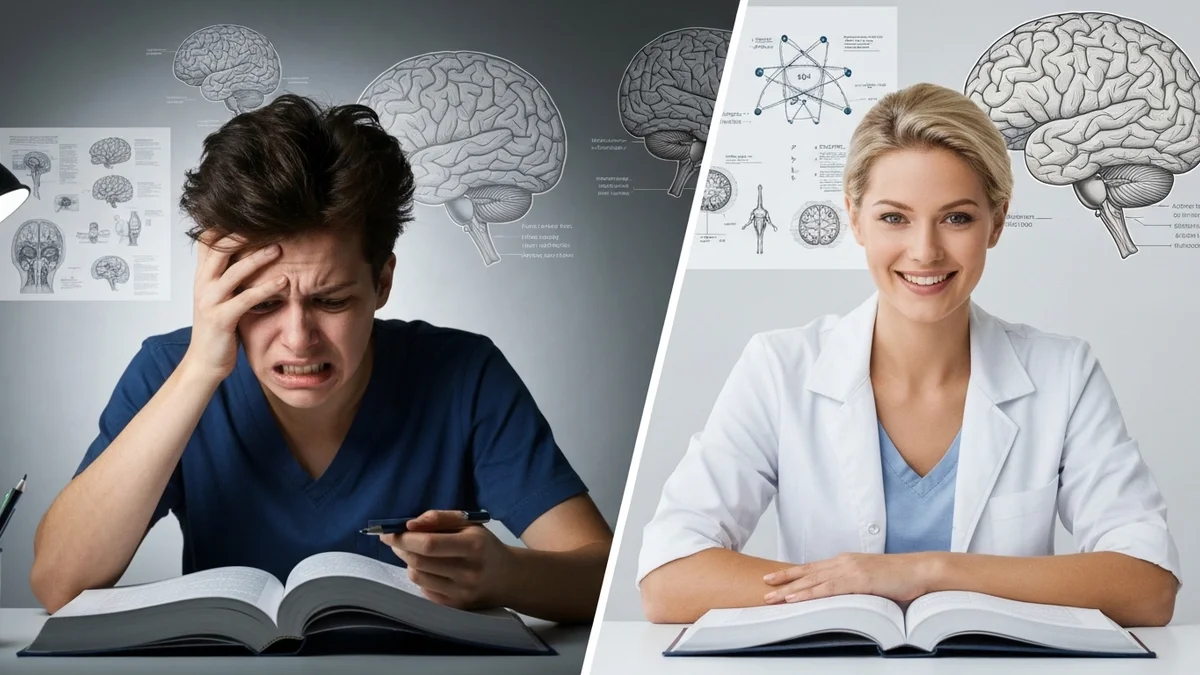
Concentration Maximale : Stratégies Éprouvées pour Maîtriser Chaque Révision
La concentration n'est pas une aptitude statique, c'est une compétence qui se développe et s'affine avec la pratique. Dans l'environnement exigeant de la préparation aux concours de médecine, chaque minute de révision compte. Maximiser votre concentration signifie non seulement retenir plus d'informations, mais aussi comprendre plus profondément les concepts complexes, réduisant ainsi le temps nécessaire à la maîtrise du programme. Ces stratégies sont conçues pour transformer votre espace et vos habitudes d'étude en un catalyseur de performance, vous permettant d'aborder chaque sujet avec une efficacité redoutable.
La Technique Pomodoro Adaptée : L'Art des Blocs de Temps Focus
Divisez votre temps d'étude en intervalles de 25 minutes de travail intense, suivis de 5 minutes de pause. Après quatre "pomodoros", prenez une pause plus longue de 15 à 30 minutes. Pendant les sessions de travail, concentrez-vous sur une seule tâche. Cette méthode combat la procrastination, maintient un niveau élevé d'attention et prévient la surcharge cognitive. Elle est particulièrement efficace pour les révisions des matières à QCMs, permettant de couvrir plusieurs chapitres en profondeur sans s'épuiser.
Créer un Environnement Propice : Votre Sanctuaire d'Étude
Aménagez un espace dédié et exempt de distractions. Assurez-vous qu'il soit bien éclairé, aéré et organisé. Ayez tout le matériel nécessaire à portée de main (livres, stylos, carnets) pour éviter les interruptions. L'ordre physique favorise l'ordre mental. Un environnement d'étude cohérent et stimulant signale à votre cerveau qu'il est temps de se concentrer, facilitant la transition vers un état de flow productif.
Éloigner les Distractions Numériques : Déconnexion pour une Meilleure Connexion
Mettez votre téléphone en mode silencieux, hors de vue, ou utilisez des applications qui bloquent temporairement les réseaux sociaux et les sites non essentiels. Les notifications constantes sont des "voleurs de concentration" qui fragmentent votre attention. Apprenez à vous déconnecter du monde numérique pour vous connecter pleinement à vos études. Cette discipline est un investissement direct dans la qualité de votre apprentissage et de votre mémorisation.
L'Importance du Sommeil Réparateur : Le Carburant de Votre Cerveau
Ne sacrifiez jamais votre sommeil au profit des révisions tardives. Un sommeil suffisant (7 à 9 heures par nuit) est essentiel pour la consolidation de la mémoire, la régénération cognitive et la régulation de l'humeur. Un cerveau fatigué est un cerveau inefficace, incapable de se concentrer ou de retenir de nouvelles informations. Établissez une routine de sommeil régulière pour optimiser vos cycles circadiens et maximiser vos capacités mentales.
Alimentation et Hydratation Ciblées : Nourrir Votre Concentration
Privilégiez une alimentation équilibrée riche en fruits, légumes, protéines maigres et grains entiers. Évitez les sucres raffinés et les graisses saturées qui peuvent provoquer des pics et des chutes d'énergie. Hydratez-vous régulièrement avec de l'eau. Le cerveau est composé à 80% d'eau, et une légère déshydratation peut entraîner fatigue, maux de tête et difficultés de concentration. Les oméga-3 (poissons gras, noix) sont particulièrement bénéfiques pour la fonction cognitive.
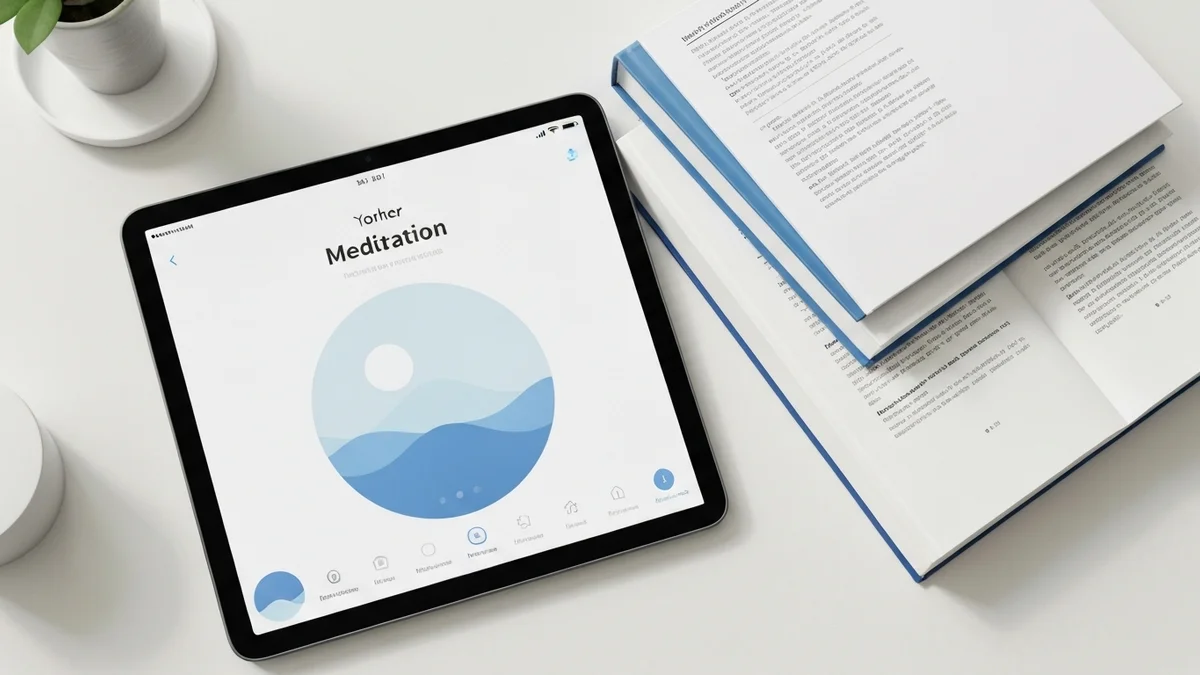
L'Avantage Technologique : Optimiser Votre Préparation
À l'ère du numérique, la technologie offre des outils puissants pour transformer la manière dont vous abordez votre préparation. Au-delà des méthodes traditionnelles, des plateformes innovantes permettent une approche personnalisée, adaptative et interactive, ciblant à la fois vos lacunes académiques et les aspects psychologiques de votre préparation. L'intégration de ces ressources peut considérablement améliorer votre efficacité de révision et renforcer votre confiance en vous, des facteurs déterminants pour le succès aux concours d'entrée aux facultés de médecine marocaines.
Préparation Académique Sur Mesure : Bénéficiez de QCMs adaptatifs par matière (SVT, Physique, Chimie, Mathématiques) qui s'ajustent à votre niveau de compréhension. Cette approche permet de cibler précisément vos faiblesses, de renforcer vos acquis et d'optimiser votre temps de révision en vous confrontant constamment à des défis pertinents. Une pratique intelligente et ciblée est la clé de la maîtrise des programmes exigeants des concours FMP et FMD. Chaque session de pratique est conçue pour maximiser votre apprentissage et votre rétention d'informations essentielles pour l'examen. Pour une pratique ciblée, explorez les QCMs adaptatifs.
Suivi Personnalisé et Compétition Stimulante : Un tuteur IA personnalisé vous accompagne, vous fournissant des retours détaillés et des recommandations pour progresser. De plus, un classement national en temps réel vous permet de vous situer par rapport aux autres candidats, transformant la compétition en un moteur de motivation. Cette visibilité sur votre progression et votre positionnement est un puissant levier pour maintenir l'engagement et identifier les domaines nécessitant un effort supplémentaire. Cette synergie entre l'apprentissage adaptatif et le suivi personnalisé est un atout majeur pour votre réussite.

Votre Chemin vers la Réussite : Une Approche Équilibrée
Le concours médecine 2026 n'est pas seulement un test de vos connaissances en SVT, Physique, Chimie et Mathématiques, c'est une évaluation complète de votre préparation mentale et émotionnelle. Le stress est une réalité inévitable, mais sa gestion est entièrement entre vos mains. En adoptant les techniques de relaxation et les stratégies de concentration que nous avons explorées, vous ne faites pas que survivre à la période de révision ; vous prospérez. Cultiver la résilience, l'auto-discipline et la pensée critique vous servira bien au-delà des portes de la faculté, dans votre future carrière de soignant. Rappelez-vous que le succès ne se mesure pas uniquement par les notes, mais par votre capacité à naviguer avec calme et détermination à travers les défis. En combinant une préparation académique rigoureuse, soutenue par des outils numériques performants, avec un entraînement mental constant, vous vous donnez toutes les chances d'atteindre votre objectif. Votre bien-être est indissociable de votre performance. Investir dans votre équilibre mental, c'est investir dans votre succès et dans votre avenir professionnel et personnel. Le chemin est exigeant, mais avec la bonne approche et les bons outils, il est aussi extrêmement gratifiant. Soyez patient avec vous-même, célébrez chaque progrès et gardez toujours votre objectif final en vue.
Passez à l'Action : Transformez Votre Préparation Dès Aujourd'hui
Ne laissez pas le stress dicter votre avenir. Accédez à des outils de préparation de pointe et maîtrisez votre potentiel pour le concours médecine 2026.
Commencer à réviser gratuitement